Genna Rivieccio is the editor-in-chief of The Opiate, a literary quarterly specializing in fiction and poetry. She is also the author of She’s Lost Control (2011), Corona(tion) Year, Vols. 1 and 2 (2021), Lindsay Lohan Stole My Life: A Tate Carmichael Novel (2023) and Diary of an Anonymous Midtown Office Worker in the 2010s (2025). Her work, in fiction and essay form, has appeared in/on From Nowhere to Somewhere: The End of the American Dream, Sensitive Skin, PopMatters and, most frequently, Culled Culture.
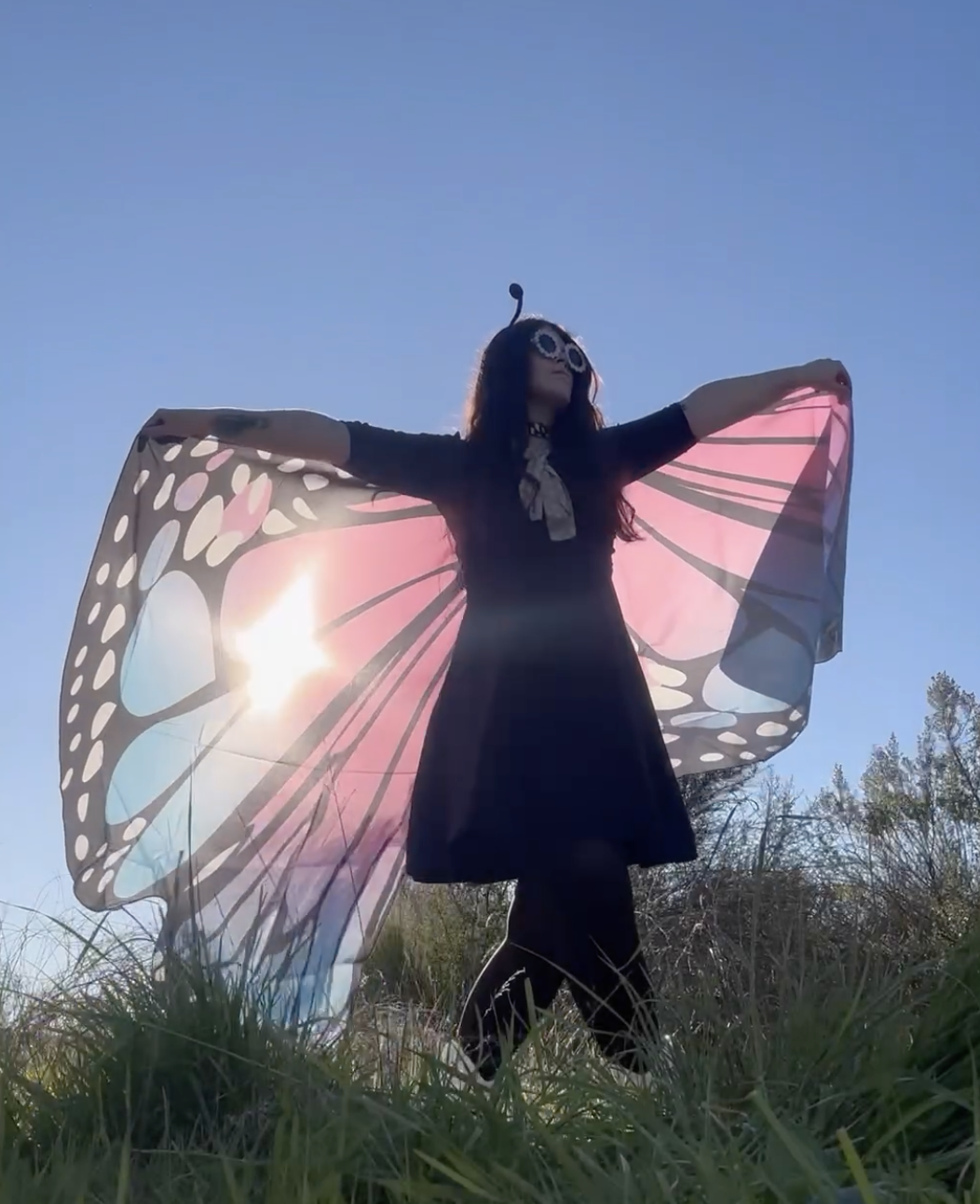

Lindsay Lohan Stole My Life – A Tate Carmichael Novel
Never given her due in the 00s at the peak of the reign of white girl socialites like Paris H., Tate Carmichael demands the spotlight be redirected back to her. And if trying to buy her way into the glow of the flashbulbs didn’t do it, then maybe telling the truth about that strange (yet simpler) time called the “aughts” will garner her rightful respek (a word she still uses sometimes thanks to the momentary slip-up of dating Ali G, who turned out, like so many people of the era, not to be a real person). So she presents to you, in this analog thing called a book, her tale of being the original enfant terrible of tabloid and internet gossip…never lauded for her “badness” the way a certain other “actress” posing as a true member of the socialite sistren was (and is).

Diary of an Anonymous Midtown Office Worker in the 2010s
It was a different time. Another era. And, evidently, a very archaic one based on this strange finding by a team of archaeologists during an excavation in Midtown Manhattan (after the latest massive flood subsided). Based on the contents of the diary, it was a very dark period for work. Or rather, what used to be considered work…
We here at Dark Past, Brighter Future Laboratories took great interest in the diary, of sorts (though often more of a how-to guide for surviving the rigors and banalities of office life), when it was presented to us as a historical artifact of great importance. And it is just that. For only by reading through such a harrowing document can we realize how far we’ve come both as a species and in the world of work. Especially now that all such faux and monotonous types of labor have been passed on to the robots. According to the anonymous office worker’s diary, though, engaging in this breed of work usually does lead to a person becoming a robot.
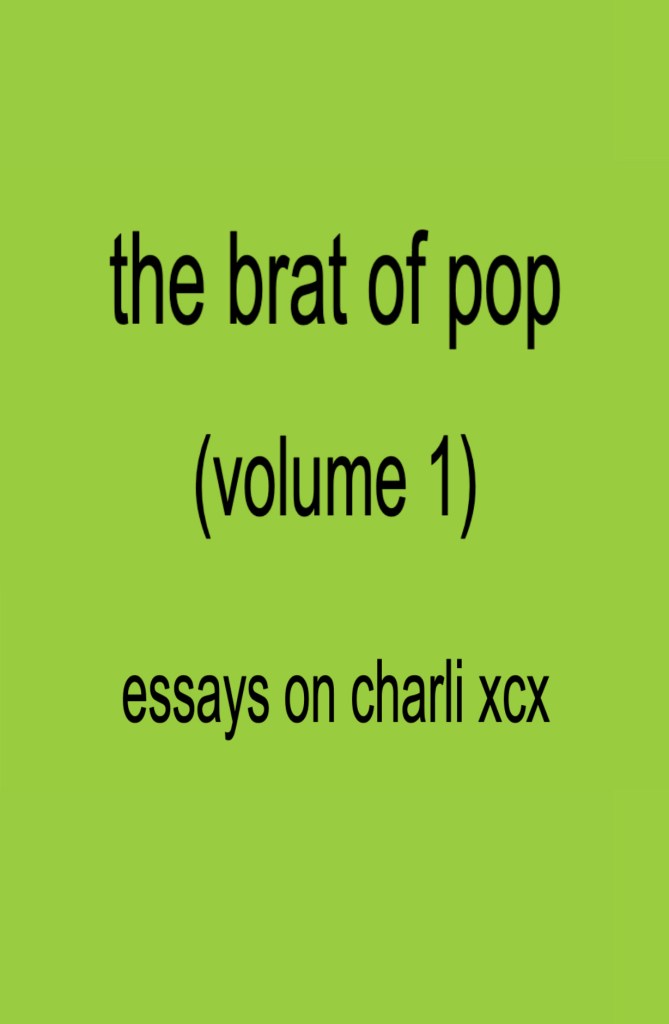
The Brat of Pop (Volume 1) Essays on Charli XCX
It took six albums and roughly fourteen years for Charli XCX to “get her flowers” for the innovations she’s contributed to music. In this collection, pop culture essayist Genna Rivieccio traces the germinal beginnings of XCX to her modern incarnation as not just the Queen of Hyperpop (or “Bratpop,” if you prefer), but the preeminent icon of the current pop landscape. From the days of her “fucking terrible MySpace music” to becoming her own “favorite reference,” the XCX journey has hardly been an easy or “overnight” road.
Luckily, as Charli’s music indicates, she likes taking long, unpredictable car rides. As long as the car in question is posh enough for a brat’s tastes. So get in loser, we’re taking a deep dive into Charli’s impact…vroom vroom!
 theopiatebooks.com