Victor Marrero worked for many years in public service. He has also served as a trustee of several educational, charitable and public interest organizations, among them the New York Public Library, the American Museum of Natural History, Cooper Union for the Advancement of Science and Art and the State University of New York. He graduated from New York University and Yale Law School and studied as a Fulbright Scholar in England. His first book of poems, titled Atlas, Bound, was published by The Opiate Books. A substantial number of the poems in that collection were previously published in The Opiate magazine. He lives in Manhattan.
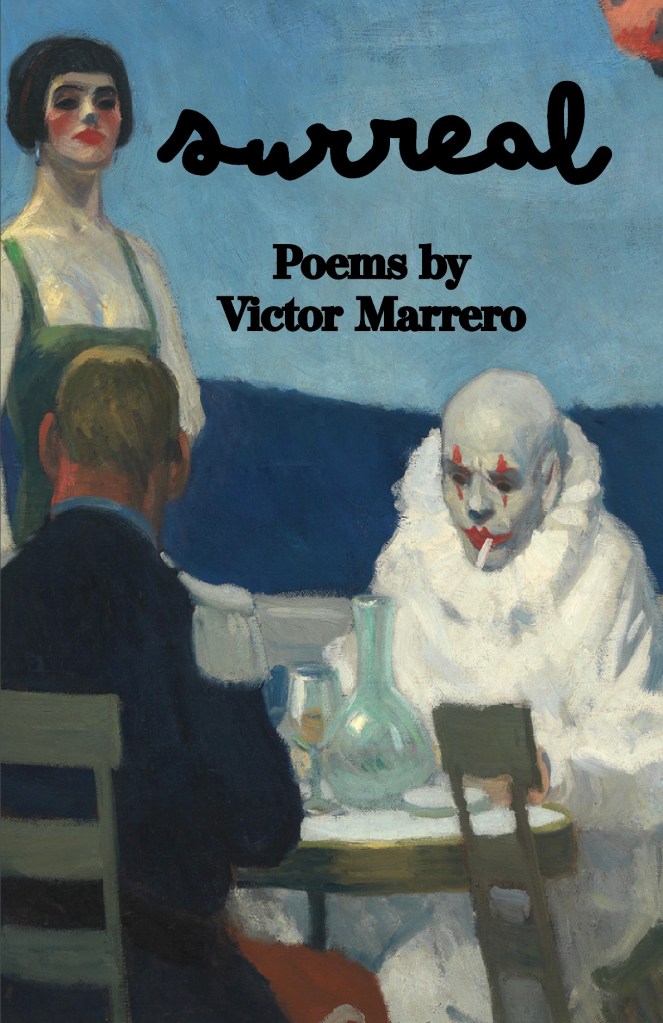
Surreal
Where does the line between the real and the unreal begin and end? At this point, is there even a distinction anymore? Or perhaps it lies somewhere in the gray area of the surreal. A term, with all its vast connotations, that also serves as the only too appropriate title of Victor Marrero’s latest poetry collection (following his previous works, Atlas, Bound and Reprise). With his dense and evocative prose style, Marrero chips away at the veneer of the so-called real to get to something even more real: the truth. Yet, like many of us, he often arrives at the conclusion that, increasingly, it’s all but impossible to genuinely know.
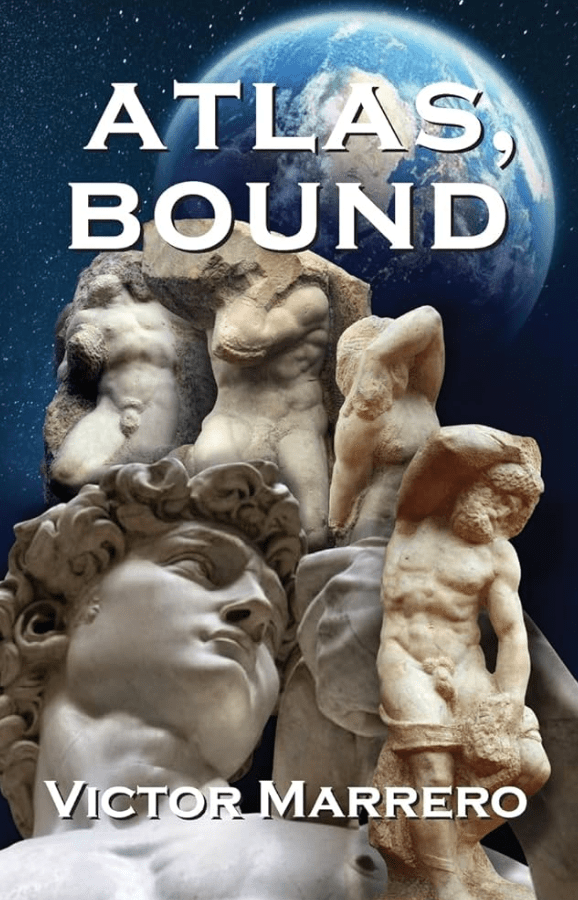
Atlas, Bound
A triumph in the art of thematic poetry, Victor Marrero’s Atlas, Bound hones in on the subject of Michelangelo’s “Four Slaves” or “Four Prisoners,” located in Florence’s Accademia Gallery. Left incomplete by the sculptor, they are positioned before one of his universally-acknowledged masterpieces, David. The slaves, thus, live out their days bound in unfinished captivity, an indelible sight that finds Marrero ruminating not just on their cruel fate, but on the nature of existence itself.
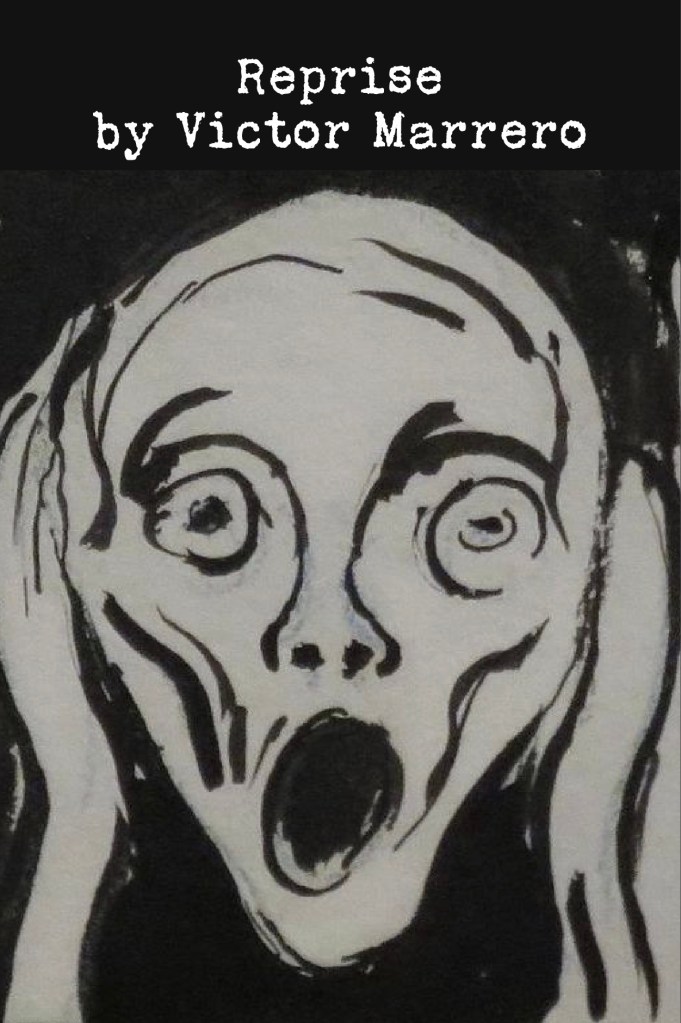
Reprise
In this timely yet evergreen collection of poetry, Victor Marrero delves into some of the most plaguing existential mysteries that have eluded centuries of intense scrutiny by historians, poets, philosophers, writers and other scholars. Focused on global events that consumed humanity during the twenty-year period between the end of World War One and the start of World War Two, Marrero’s quest for both enlightenment and solace is just as insatiable as it was for the great thinkers and poets before him. And it is this hunger to understand, among other things, why some of the worst aspects of history seem doomed to repeat themselves that Marrero transfers to his reader.
 theopiatebooks.com